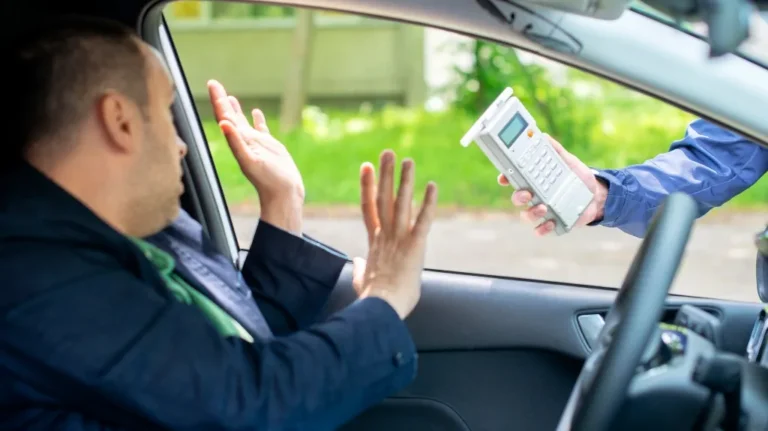
Parents prepare their kids for almost everything — first day of school, driving lessons, peer pressure, social media. The conversation about what to do if police stop them or arrest them rarely happens, and when it does, it’s often built on outdated assumptions or advice that sounds reasonable but actively hurts a juvenile case if anything goes wrong. As a Murrieta juvenile defense attorney for over 25 years, Nic Cocis has seen the same preventable mistakes happen over and over in the first hours after a juvenile arrest — and almost all of them trace back to one thing: a parent or a teenager who didn’t know the rules going in.
If your child has been arrested or is being questioned by police in Murrieta, Temecula, Menifee, Lake Elsinore, Wildomar, Winchester, Canyon Lake, or French Valley, the case will move through the Riverside County juvenile court system — separate from the adult Southwest Justice Center where most criminal cases are heard. This page covers what every parent should tell their teenager before anything happens — the single most important rule, what California’s juvenile consultation law actually requires, when Miranda applies and when it doesn’t, why phone calls from juvenile hall matter more than most parents realize, and the things parents accidentally do that hurt the case. For the comprehensive overview of how juvenile cases move through California’s post-2023 realigned system, see the firm’s California juvenile justice system overview. This piece is the parent-facing companion to that overview.
The Single Most Important Rule: Politely Invoke the Right to Remain Silent
There is one piece of advice that matters more than every other piece combined. Tell your child this in advance, and tell them in clear, simple words:
“If the police try to talk to you about something they think you did, politely say: ‘I want a lawyer. I want my parents. I don’t want to answer questions.’ Then stop talking.”
That’s the whole rule. It works for elementary school kids, middle schoolers, high schoolers, and college-aged kids under 18. It works whether they did what’s being alleged or didn’t. It works whether they think they can explain themselves or not. It works whether the officer is friendly or hostile.
Nearly every defense lawyer who’s worked juvenile cases will say the same thing: the children whose cases turn out best are the ones who said nothing. Not because they were guilty. Not because they had something to hide. Because anything a child says to police becomes evidence, and statements made by a panicked, intimidated, or eager-to-please teenager in the back of a police car are almost never helpful to the defense.
The older advice you may have read elsewhere — that if your child “cooperates,” they should be polite and honest — gets the framing backwards. Politeness is good. Honesty under questioning is not the right move. The correct frame is: be polite, and don’t talk. Politely refusing to answer questions is not disrespectful. It’s not a sign of guilt. It’s not something that makes the officer angry in any way that actually affects the case outcome (despite what TV shows suggest). It’s the most basic right every person in the United States has, and it applies to children at least as strongly as it applies to adults.
What about the idea that “if my kid cooperates, the police will let them go home”? In practice, the decision to release a juvenile to a parent or to transport them to juvenile hall is driven by the alleged offense, the kid’s prior history, and the formal risk assessment criteria used by Riverside County intake — not by whether the kid was charming during questioning. Officers do have some discretion in low-level matters, but the discretion is almost never about how cooperatively the child talked. The “be helpful and they’ll let you go” theory is rarely how it actually works.
What California’s Juvenile Consultation Law Actually Requires
California has a statute that’s specifically designed to protect kids from being interrogated without legal advice. It’s Welfare and Institutions Code § 625.6, and most parents — and most kids, and even many police officers — don’t fully understand it.
What the statute requires today. Before any custodial interrogation of a minor, or before any waiver of Miranda rights by a minor, the minor must consult with legal counsel in person, by telephone, or by video conference. This consultation cannot be waived by the minor.
Who it applies to. As of January 2021, the consultation requirement applies to all minors under 18 years old in California. This is a critical change from when the statute was first enacted in 2018, which originally applied only to youth 15 or younger. Older articles online (including, regrettably, a previous version of this page) may still reference the “under 16” framework. That framework is out of date. Under current California law, every minor — including 16- and 17-year-olds — has the right to consult with counsel before any custodial interrogation. The consultation must happen first; police can’t get around it by asking the kid to waive the right.
What this means in practice. If your 17-year-old is taken into custody and police want to interview them, the police are legally required to facilitate a consultation with an attorney before the interview. If they don’t, statements obtained in violation of WIC § 625.6 can be challenged and potentially suppressed. This is one of the most important post-arrest defenses California gives juveniles, and parents who don’t know it exists often don’t insist on it.
What it doesn’t cover. WIC § 625.6 applies to custodial interrogation — meaning the kid is in police custody and being questioned about a possible offense. It doesn’t necessarily apply to brief field stops, school resource officer questioning in a school office, casual questioning at a traffic stop, or other non-custodial police contact. The distinction matters. Statements made in non-custodial settings can still be used as evidence, even though no Miranda warnings were given. The line between custodial and non-custodial isn’t always obvious — but the safer rule for kids to follow is the one above: politely refuse to answer questions, regardless of whether they think it’s “custodial.”
Miranda — When It Applies and When It Doesn’t
The post your child’s school or your previous research may have given you probably said something like “police have to read Miranda rights before they can question your child.” That’s not quite right, and the gap between “not quite right” and “wrong in a way that hurts the case” matters here.
Miranda applies only to custodial interrogation. If a child is in custody (not free to leave) AND being interrogated (questioned about a possible offense), police must give Miranda warnings before the questioning. If either piece is missing — the child isn’t actually in custody, or the conversation isn’t an interrogation — Miranda doesn’t apply.
Things that often happen without Miranda warnings include: a school resource officer pulling a student into the office to ask questions, an officer at a traffic stop asking about something they saw in the car, an officer at the scene of a fight asking what happened, and brief field stops where the officer is “just trying to figure out what happened.” Statements made in these settings are often admissible as evidence even though no warnings were given.
The U.S. Supreme Court has held that age matters. In J.D.B. v. North Carolina (2011), the Supreme Court held that a child’s age is a factor in determining whether they were “in custody” for Miranda purposes. A reasonable child in the same situation might feel less free to leave than a reasonable adult. This gives juvenile defense attorneys an argument that some encounters that wouldn’t be “custodial” for an adult may have been custodial for a minor — meaning Miranda warnings should have been given. But this is fact-specific defense work; it’s not a guarantee.
The simplest rule for your child: if any officer is asking questions about something the officer thinks the child did, the child should politely invoke the right to silence — Miranda warnings or no Miranda warnings. The rule covers both the situations where Miranda formally applies and the situations where it doesn’t.
After an Arrest: The Phone Call Rules (And the Recording Rule)
If your child is taken into custody and brought to a place of confinement, California law gives them specific telephone rights under Welfare and Institutions Code § 627. Within one hour of being taken to a place of confinement, the minor has the right to make at least two completed telephone calls:
- One call to a parent, legal guardian, or responsible relative
- One call to an attorney
This is a strict legal right, and police or juvenile hall staff who refuse to honor it can be challenged. But there are two things parents need to understand about these calls that most articles online don’t mention:
Phone calls except the attorney call are recorded. Standard practice at the Riverside County Juvenile Detention Center, and at most California juvenile facilities, is to record all telephone calls except calls between the minor and their attorney. Calls from your child to you are recorded. Anything your child says on that call can be used as evidence.
This catches a lot of parents off guard. The instinct is to ask “what happened” so you can help. The right move on a juvenile hall phone call is the opposite: don’t ask your child what happened. Don’t let them tell you what happened. Tell them you love them, tell them you’re getting them a lawyer, tell them not to talk to anyone about the case until the lawyer arrives. Save the conversation about what actually happened for in-person communication with the attorney present.
Parent-child conversations are not privileged in California. This is the most important thing for parents to understand and the thing most parents don’t know. Unlike the attorney-client privilege (which is absolute) or the spousal communications privilege (which protects most husband-wife communications), California does not recognize a general parent-child privilege. Anything your child tells you about the case — on the phone, in the visiting room, at home before counsel arrives, in a text message — can be subpoenaed and used as evidence against them.
This means the instinctive parent behavior — “honey, just tell me what really happened so I can help you” — is the wrong move. What feels like the most natural, most loving question to ask becomes a roadmap for the prosecution if you’re ever subpoenaed. Save the substantive conversation for sessions with the attorney present, where the communications are privileged.
The attorney call. The attorney call is the most important call your child will make. Two things make it work:
- Your child needs to have an attorney to call. If you don’t already have a juvenile defense attorney on retainer, your child won’t know the number. The single most useful thing you can do now is identify a juvenile defense attorney before anything happens and make sure your child knows the firm name. Tell them: “If this ever happens, ask for a phone book or ask juvenile hall to call the Law Office of Nic Cocis.” Programming the number into their phone isn’t enough — phones are confiscated at intake.
- The attorney call is the one phone call that’s not recorded. Everything your child needs to say about what happened, they should say on the attorney call, not the parent call.
Why “Just Tell the Truth” Doesn’t Work — Even With You
When parents read advice like the above, the question is usually: “But what if my kid really didn’t do it? Shouldn’t they explain themselves?”
The short answer is no. Here’s why.
You don’t know what the police think happened. When officers pick up a kid, they often have information the parents don’t — a witness statement, security camera footage, a co-defendant’s statement implicating their child, prior reports. Your child telling their version of “what happened” can lock in details the police hadn’t yet pinned down, can contradict physical evidence in ways the child doesn’t realize, or can corroborate the prosecution’s theory in ways no one anticipated. Even truthful statements from innocent kids can hurt the case.
Memory under stress is unreliable. A teenager in the back of a police car or in the juvenile hall intake room is in one of the most stressful situations of their life. Memory in that state is bad. Things get mixed up, sequences get reversed, details get filled in to make the story make sense. Statements made in that state — even truthful ones — often contain inaccuracies that come back as inconsistencies during trial.
Innocent explanations can implicate other crimes. A kid trying to explain “I wasn’t selling drugs, I was just smoking with my friends” has just admitted to a separate offense. A kid trying to explain “I didn’t take anything, I just walked through the store” may have admitted facts that support a different charge. Officers are trained to use voluntary explanations against the speaker.
Silence is not an admission. California courts cannot use a defendant’s exercise of the right to remain silent as evidence of guilt. The prosecution cannot say “if he was innocent he would have explained himself.” The kid who said nothing is no worse off in court than the kid who tried to explain — and is often far better off, because the silent kid hasn’t given the prosecution anything to work with.
The right principle is: the time to “tell the truth” is in a controlled setting, with counsel present, after the lawyer has reviewed the evidence and decided whether and how that truth helps the case. Not in the back of a police car. Not in the juvenile hall intake room. Not on a recorded phone call.
What to Do in the First Hour
If your child has been arrested and you’ve just gotten the call:
1. Don’t ask what happened. Not on the phone with your child, not at the station, not at juvenile hall. Tell them you love them, tell them you’re getting them a lawyer, tell them not to talk to anyone about the case.
2. Refuse interviews yourself. Officers will sometimes ask the parent for information — about the child’s background, about the situation, about the family. Politely decline. Anything you say can become evidence.
3. Don’t talk to other witnesses or family members about the case. People who weren’t there often want to call around, “figure out what happened,” coordinate stories. Don’t. Your phone records and text messages can be subpoenaed, and any apparent coordination becomes evidence of consciousness of guilt — even when the coordination was innocent.
4. Don’t post anything on social media. This applies to you, your child, siblings, extended family, and friends. Police review social media of arrested juveniles routinely. Posts about the case — even sympathetic posts, even posts that don’t mention the case directly — become evidence.
5. Contact a juvenile defense attorney. Before the detention hearing if at all possible. The detention hearing happens within 48 hours of being taken into custody and decides whether your child stays at juvenile hall or goes home pending the rest of the case. Having an attorney at that hearing matters enormously.
6. Preserve documentation. School records, mental health records, any evidence relevant to the alleged offense, any witnesses you know of. The defense investigation starts immediately and the evidence gets harder to gather as time passes.
For broader background on how California juvenile cases move from arrest through resolution, including the post-2023 realignment framework, see the California juvenile justice system overview. For background on the factors that drive juvenile cases, see the firm’s juvenile defense cornerstone. For criminal defense generally in Murrieta, Temecula, and Menifee, see the firm’s local guide. The firm’s juvenile crimes practice area has additional practice context.
Why a Murrieta Juvenile Defense Attorney Matters Before Any Questioning
The best time to involve a juvenile defense attorney is before the arrest happens. Most parents don’t think about this — it feels paranoid to retain a lawyer when nothing has happened. But identifying an attorney in advance has real value:
Your child knows who to call. When juvenile hall staff hand the phone to a kid and ask who they want to call for their attorney call, the kid needs to have a name. “I don’t know” is what most kids say. Knowing the firm name in advance means the call actually happens — and the call is the most important moment in the first hour.
You know who to call. Parents who get the panicked call at 11pm and don’t already have a defense attorney often spend hours calling around or, worse, default to whichever lawyer’s name they saw on a billboard. The attorney you carefully chose during a calm conversation is a better fit than the one you find at 2am.
The relationship exists. Many juvenile defense attorneys, including this firm, are willing to have introductory conversations with families before anything has happened. The first conversation establishes who handles what, what the firm’s intake process looks like, how to reach the attorney after hours, and what the kid should know about police contact. None of these conversations cost anything until and unless something actually happens — but they make the response infinitely smoother if it does.
If your child has been arrested or is being questioned by police in Southwest Riverside County — Murrieta, Temecula, Menifee, Lake Elsinore, Wildomar, Winchester, Canyon Lake, or French Valley — call (951) 400-4357 to talk directly with Nic Cocis, or read more about the firm. The Law Office of Nic Cocis has defended juvenile cases throughout Southwest Riverside County for over 25 years.