
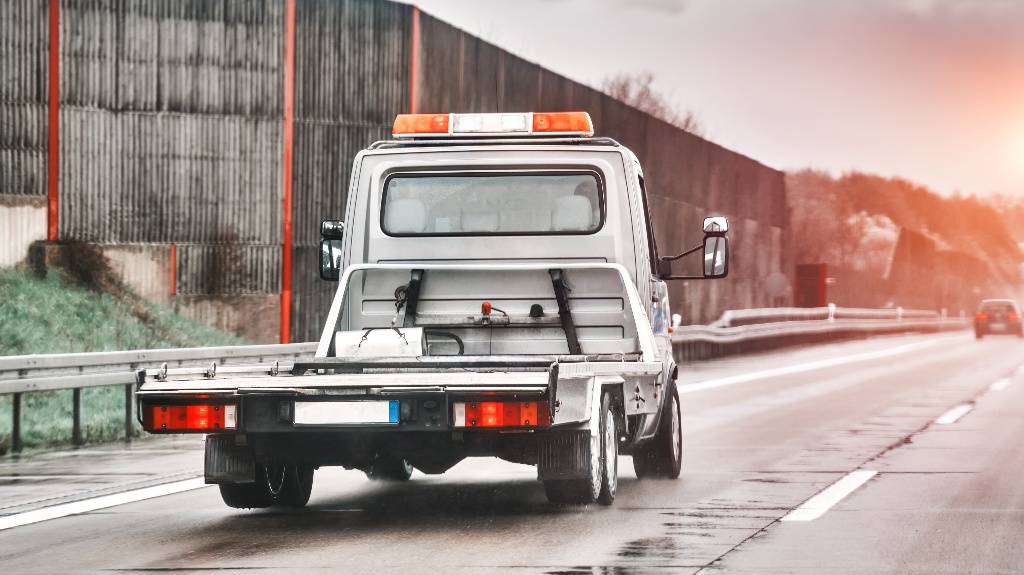
If your vehicle was towed and impounded after a DUI arrest in Southwest Riverside County, the clock is already running. California law gives you specific rights — including a hearing you must request within 10 days — and tow yard fees that begin accruing the moment your vehicle is stored. Understanding what authority the impound was made under, what the realistic costs are, and how to challenge the hold is the difference between getting your car back in a few days and paying thousands of dollars in storage fees. The Law Office of Nic Cocis represents DUI clients throughout Murrieta, Temecula, Menifee, Lake Elsinore, Wildomar, Winchester, Canyon Lake, and French Valley, with cases heard at the Southwest Justice Center.
Why Your Vehicle Was Impounded — The Three Most Common Reasons in Riverside County
California law gives law enforcement multiple statutory bases for impounding a vehicle at a DUI arrest. In Southwest Riverside County, three scenarios cover the vast majority of impounds:
1. The driver had a suspended, revoked, or no license — Vehicle Code § 22651(p). When a person is stopped while driving with a suspended or revoked license, or with no driver’s license at all, the officer is authorized to remove the vehicle. This is the most common single trigger for impoundment in DUI cases involving repeat offenders.
2. Driving while suspended for a prior DUI — Vehicle Code § 14602.6. This provision authorizes a 30-day hold when the driver is operating a vehicle while their license is suspended or revoked specifically as a result of a prior DUI conviction or DMV action. The 30-day hold is a statutory minimum and is much harder to shorten than discretionary impounds.
3. No sober, licensed driver available at the scene. When a first-time DUI arrest occurs and the driver is taken into custody, the officer must decide what to do with the vehicle. If a sober, licensed passenger is present and can take the car, the vehicle is usually released. If no sober and licensed person is available — or the vehicle was parked in a location where it would obstruct traffic, become a hazard, or be at risk — the officer typically tows it.
Other statutes can also apply. A driver arrested with a blood alcohol concentration of 0.15% or higher, or who refused chemical testing, may face additional impound exposure under Vehicle Code § 23593. Vehicles used in connection with serious offenses can be impounded for longer periods under VC § 14602.7. Repeat DUI offenders may, in rare cases, face vehicle forfeiture proceedings.
How Long Will My Car Be Impounded?
The length of the impound depends on the statute under which the vehicle was held:
- Discretionary impounds (no sober driver, vehicle blocking traffic) can often be released the same day or within a few days, once a licensed, sober driver retrieves the vehicle and pays the accrued fees
- VC § 22651(p) impounds (suspended or no license) typically require resolution of the underlying license issue before release
- VC § 14602.6 thirty-day holds are exactly that — a statutory 30-day minimum that, absent successful challenge or qualifying exception, runs its full course
A 30-day hold under § 14602.6 is the worst-case scenario for most impound victims because it combines a long mandatory period with daily storage fees that can run $50 to $150 per day at Riverside County tow yards. The total cost — initial tow fee, gate fees, daily storage, lien processing — can exceed $5,000 by the time the 30 days end.
The Right Most Vehicle Owners Don’t Know About: The Post-Storage Hearing Under VC § 22852
This is the single most important point of this entire article: if your vehicle has been impounded, you have a statutory right to a hearing.
Under California Vehicle Code § 22852, the law enforcement agency that authorized the impound must provide written notice of the right to a post-storage hearing. The registered owner — and, in many cases, the legal owner if different — has the right to request that hearing.
The deadlines and procedure matter:
- Request the hearing within 10 days of receiving the impound notice. The 10-day window is statutory.
- The hearing itself must be held within 48 hours of the request (excluding weekends and holidays). The agency typically conducts these in person at a designated office.
- The hearing is informal — there is no formal rules-of-evidence requirement. The vehicle owner appears, presents the case, and asks the hearing officer to release the vehicle or reduce the storage period and fees.
What can be won at a post-storage hearing:
- Release of the vehicle to the registered owner where the impound was improper
- Release where an exception under VC § 14602.6(b) applies — for instance, where the registered owner was not the driver and the registered owner has a valid license
- Reduction in the impound period or fees where the agency cannot justify the full hold
Many vehicle owners do not request this hearing because they do not know it exists or because the impound notice did not adequately explain the right. Missing the 10-day window does not always foreclose all relief — but it makes the path significantly harder.
If you have been served with an impound notice in Murrieta, Temecula, Menifee, Lake Elsinore, Wildomar, Winchester, Canyon Lake, or French Valley, look at the notice immediately. Calendar the 10-day deadline. Then talk to a defense attorney.

Exceptions That Can Release the Vehicle Early
Even when a 30-day hold is on its face statutory, several exceptions can shorten the impound or release the vehicle to the owner. The most important ones:
Registered owner not the driver — VC § 14602.6(b). When the registered owner was not the person driving at the time of the arrest, the registered owner may petition for release. The owner must demonstrate that they have a valid license and that they did not knowingly permit the unlicensed driver to operate the vehicle. This is the most commonly invoked exception, particularly where a spouse, parent, or roommate’s car was being driven.
Spousal hardship. In some circumstances, the spouse of the arrested driver — particularly where the vehicle is needed for the spouse’s work or for transporting children — can obtain release on hardship grounds.
Rental and lease company exception. Rental car companies and leasing companies typically have standing to obtain release of their vehicle from impound, subject to administrative fees. If the vehicle was a rental or leased vehicle, contact the company immediately.
Innocent owner provisions. Where the vehicle is owned by someone other than the driver (parent, employer, third party) who had no knowledge of and did not consent to the use, statutory and equitable relief may be available.
Each exception requires documentation — title, registration, valid license, and supporting evidence of the relationship between owner and driver. The post-storage hearing is the typical forum to present these exceptions.
The Realistic Cost of a 30-Day Hold
Vehicle owners frequently underestimate impound costs until they receive the final bill. In Southwest Riverside County, typical figures run:
- Initial tow fee: $250–$500 (depending on vehicle size, distance, and after-hours rates)
- Gate/release fee: $50–$150
- Daily storage: $50–$150 per day
- Lien sale fees if the vehicle is held long enough to be processed for sale
- Administrative fees charged by the law enforcement agency or city
A 30-day impound under VC § 14602.6 commonly totals $2,500 to $5,500 by the time it is released. For an older vehicle, the impound cost can exceed the value of the car itself — at which point the owner faces a choice between paying to retrieve it or allowing it to go to lien sale.
This is why challenging the impound at the earliest opportunity — the post-storage hearing — is not optional. Every day the vehicle remains at the tow yard is another $50 to $150 of unrecoverable cost.
Steps to Take Right Now if Your Vehicle Has Been Impounded
- Find the impound notice. It will list the law enforcement agency, the storage yard, the statutory basis for the impound, and your hearing rights.
- Calendar the 10-day deadline for requesting a post-storage hearing.
- Confirm the storage location and daily rate by calling the tow yard directly.
- Gather documentation — vehicle title or registration, driver’s license, insurance card, proof of ownership relationship if different from driver.
- Request the hearing in writing within the 10-day window. Use the address provided on the impound notice.
- Contact a DUI defense attorney immediately — the impound is often one issue in a larger DUI case that also includes a criminal charge and a DMV administrative action. All three matter, and all three have separate deadlines.
- Do not ignore the storage fees. If they outpace the vehicle’s value, the tow yard will lien-sale the vehicle, and you can lose it permanently.
The Bigger Picture: Three Separate Proceedings After a DUI
A DUI arrest in Riverside County actually triggers three separate proceedings, each with its own deadlines:
- The criminal case — filed by the Riverside County District Attorney’s Office and heard at the Southwest Justice Center
- The DMV administrative per se action — handled by the California Department of Motor Vehicles, which can suspend your driver’s license independently of the criminal case (you have 10 days from arrest to request a DMV hearing)
- The vehicle impound — addressed through the post-storage hearing with the impounding law enforcement agency (10 days to request)
These are three deadlines, three different proceedings, and three different decision-makers. Coordinated defense across all three is part of how a DUI defense attorney handles a Southwest Riverside County DUI case.
Talk With a Riverside County DUI Defense Attorney
If your vehicle was impounded after a DUI arrest in Murrieta, Temecula, Menifee, Lake Elsinore, Wildomar, Winchester, Canyon Lake, or French Valley, you have decisions to make quickly. The 10-day window for the post-storage hearing closes whether you act or not. So does the 10-day DMV hearing window. And the underlying criminal case proceeds toward arraignment regardless of what is happening at the tow yard.
Learn more about attorney Nic Cocis and his 25+ years of trial experience defending Riverside County DUI cases.
Initial consultations are free and confidential. Call (951) 400-4357 today, or use the contact form below to schedule a consultation directly with attorney Nic Cocis.
