If you have an old California arrest or conviction, there’s a real chance the state has already sealed it — without you filing anything, paying anything, or even knowing it happened. That’s what SB 731, California’s Clean Slate law, does: the Department of Justice reviews criminal records every month and automatically seals the ones that qualify. The law has been fully in effect since October 1, 2024. The question for you isn’t when — it’s whether your record qualifies, whether the state has actually gotten to it, and what to do if it hasn’t.
Our office answers exactly that question for people throughout Murrieta, Temecula, Menifee, Lake Elsinore, Wildomar, Winchester, French Valley, and Canyon Lake — most of them with cases that originally went through the Southwest Justice Center. If you want to know where your record stands, call (951) 400-4357.
Do I Qualify for Automatic Record Sealing?
You likely qualify for automatic relief under Penal Code § 1203.425 and the related Clean Slate statutes if your situation looks like one of these:
- You were arrested but never convicted. Charges were never filed, were dismissed, or you were acquitted. For most felony arrests, the record qualifies for sealing three years after the arrest if no charges were filed.
- You have a misdemeanor conviction and you finished probation or completed your sentence.
- You have a felony conviction with probation and you completed it, and you’re not facing new charges or serving another sentence.
- You have a felony conviction with jail or prison time for a non-serious, non-violent offense, your case ended more than four years ago, and you haven’t picked up a new felony since.
If that’s you, the DOJ’s monthly review should catch your record and seal it. “Sealed” means it comes off the public criminal history that most employers and background-check companies see. Your record isn’t destroyed — courts, police, and prosecutors can still see it — but for jobs, apartments, and most of everyday life, it stops following you.
One honest caveat: the date ranges the law reaches differ depending on the type of record. Whether your specific case falls inside them is exactly what a records review answers — don’t assume either way.
Has My Record Actually Been Sealed?
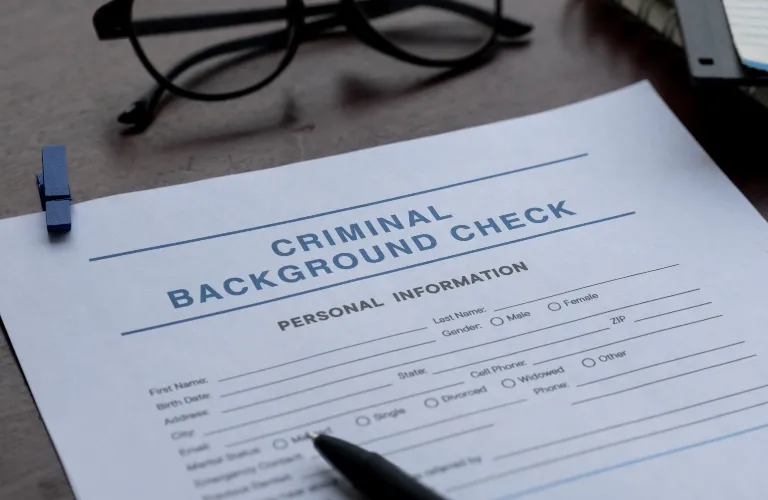
Here’s the part nobody tells you: the DOJ doesn’t notify you when your record is sealed. No letter, no email. And with millions of records in the monthly review, eligible records get missed — data-entry errors, ambiguous case dispositions, and old paper-era files all cause the system to skip records that should have been sealed.
The only reliable way to know is to look at your own record. You request your California criminal history (“RAP sheet”) from the DOJ through a Live Scan record review. If relief was granted, it shows on the record itself. When we pull a client’s RAP sheet, we’re checking three things: whether the sealing happened, whether an eligible record got missed, and — if your record isn’t eligible for the automatic track — which petition gets you the same result. If you take one action after reading this page, make it that records check.
Will Employers See My Sealed Record?
For most jobs, no. A record sealed under SB 731 is removed from the criminal history the state discloses to private employers and commercial background-check companies.
But there are doors sealing doesn’t close, and you need to know them before you rely on it:
- Schools. The law specifically requires the DOJ to keep disclosing records to school districts and related education employers. If you’re applying to work in or around schools, assume the record is visible.
- Law enforcement and courts. If you’re ever charged with something new, the sealed record exists for that purpose.
- Certain state licensing boards. Some license applications still reach sealed and dismissed records. If you’re pursuing a professional license, get advice on your specific board before you answer any application question.
What SB 731 Won’t Fix
Two traps catch people who assume a clean background check means a clean slate everywhere:
- Your gun rights are not restored. If a felony (or qualifying misdemeanor) conviction took away your right to own a firearm, sealing does nothing to change that. Buying or possessing a gun because your background check came back clean can itself become a new felony. Firearm rights are a separate legal analysis — our firearm offenses practice covers what restoration actually requires.
- Immigration consequences remain. If you’re not a U.S. citizen, federal immigration law still treats your conviction as a conviction, sealed or not. Don’t make any immigration filing on the assumption the record is gone.
Also excluded from automatic sealing entirely: serious felonies, violent felonies, and sex offenses requiring registration. If your conviction is in one of those categories, the automatic system will never reach it — but that doesn’t always mean nothing can be done, which brings us to the petitions.
What If My Record Wasn’t Sealed — or Doesn’t Qualify?
You still have options you can act on now, instead of waiting on the state:
- Your arrest never became a conviction? You can petition to seal the arrest under Penal Code § 851.91 rather than waiting for the automatic process to find it. We walk through the process in our guide to sealing or destroying an arrest record in Riverside County.
- Outside the automatic categories? SB 731 also expanded petition-based sealing under Penal Code § 1203.41, which reaches many people the automatic system doesn’t — including many older felony records.
- Need the conviction dismissed, not just sealed? The traditional expungement under Penal Code § 1203.4 is still available, and for some purposes — especially certain licensing situations — it’s the better tool, or worth pursuing alongside sealing.
Which pathway fits depends on your offense, your sentence, and what you need the relief to accomplish — a job, a license, housing, peace of mind. Our expungement practice handles all of these for Riverside County records, and the broader landscape of relief options is covered in our overview of California expungement law and the 2026 reforms.
If Your Case Was in Riverside County
If your case came out of Murrieta, Temecula, or anywhere in Southwest Riverside County, any petition gets filed in the Riverside County Superior Court — for most of our clients, that means going back to the Southwest Justice Center, the same courthouse where the case was heard. We’ve practiced there since 1999, and that matters for record relief in a concrete way: we know how these petitions move on the local calendar, what the District Attorney’s office pushes back on, and how to prove you completed a sentence when the old court file is thin. For you, that translates to fewer surprises and a faster path to a documented answer.
Frequently Asked Questions
Is SB 731 new in 2026? No — it’s been fully in effect since October 1, 2024. If your record qualifies, enough time has passed that it should already be sealed. If it isn’t, that’s a problem you can fix now, not something to wait on.
Do I have to file anything to get automatic sealing? No. If you qualify, the DOJ is supposed to seal your record on its own. But confirming it actually happened is on you — that’s the records check.
Will a sealed record show up when I apply for a job? On most standard background checks, no. School employers, law enforcement, and some licensing boards are the exceptions.
Does sealing give me my gun rights back? No. That requires a separate analysis, and getting it wrong can mean a new felony charge.
Find Out Where Your Record Stands
You shouldn’t have to guess whether your past is still showing up on background checks. We can pull your record, confirm what SB 731 has already sealed, and file for whatever it hasn’t — so you get a documented answer instead of a hope. Call the Law Office of Nic Cocis at (951) 400-4357 for a free, confidential consultation.