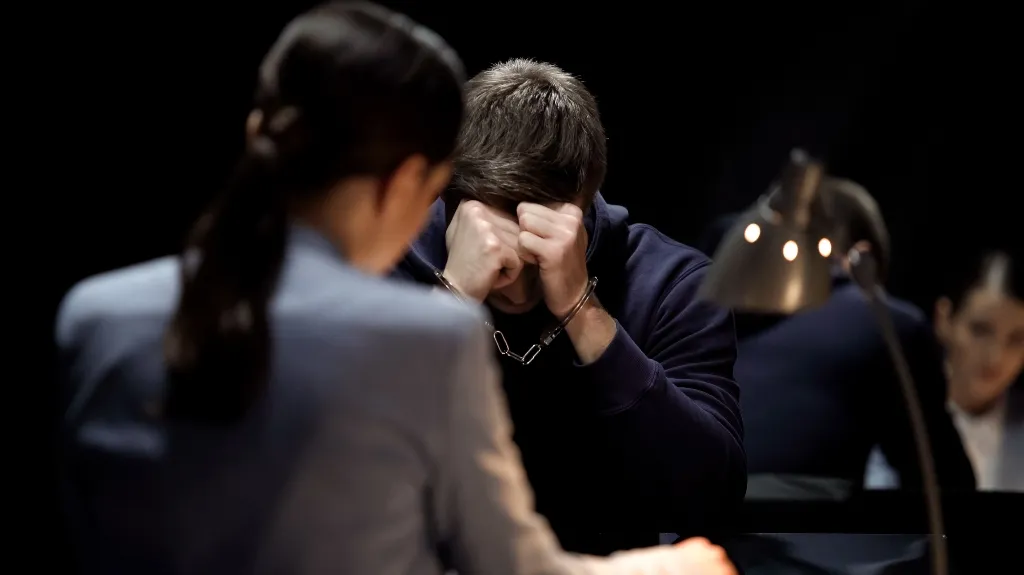

If you’ve just been arrested or cited for lewd conduct in public, what you want to know first isn’t what the statute says — it’s whether your life is about to come apart. In most of these cases, it isn’t. The charge is a misdemeanor, it does not put you on the sex offender registry in a standard case, and a Murrieta lewd conduct attorney can often get it reduced to a non-sexual offense well before it ever reaches a jury. If you’ve been cited or arrested anywhere in Southwest Riverside County — Murrieta, Temecula, Menifee, Lake Elsinore, Wildomar, Winchester, Canyon Lake, or French Valley — your case will be handled at the Southwest Justice Center in Murrieta, where our office has defended sex-related charges for more than 25 years. What happens in the first couple of weeks tends to shape the rest of the case, which is why getting accurate information early matters more than most people realize.
What Counts as Lewd Conduct in Public in California?
Lewd conduct in public covers a narrower set of acts than most people assume. Under California Penal Code § 647(a), the offense involves touching of an intimate part — your own or someone else’s, meaning genitals, buttocks, or a female breast — done for sexual gratification or to annoy or offend another person, in a place where someone who might be bothered could see. Asking or encouraging someone else to do the same thing counts too.
Two things about this law tend to catch our clients off guard. First, exposure alone isn’t lewd conduct — that’s a different offense called indecent exposure, covered below, and it carries much heavier consequences. Second, “public” is a much broader category than most people assume. Parks, streets, and parking lots obviously qualify, but so do public restroom stalls, parked cars, business booths, and any space where a passerby could realistically see in. A spot can feel completely private to you and still be “public” under the statute.
That’s also where most defenses begin: the precise geometry of who could see what, from where. When our office reviews a § 647(a) case, that’s one of the first sets of questions we work through with a client.
Will a Lewd Conduct Conviction Put You on the Sex Offender Registry?
In a standard case, no. Lewd conduct in public is not on the list of California offenses that require sex offender registration under Penal Code § 290. The common assumption that any sex-related charge automatically means the registry for life isn’t accurate here, and acting on that assumption can push you toward a plea that costs far more than the case actually requires.
There is one narrow path to registration in these cases, under Penal Code § 290.006. A judge has discretion to order someone to register if the court finds that the offense was committed because of sexual compulsion or for the purpose of sexual gratification. That isn’t automatic — it requires a separate finding by the court, and in our experience it tends to come up only when there is a prior sex-offense history or specific aggravating facts. One of our earliest conversations with a client in a § 647(a) case is about exactly how to keep that finding off the table, because the strategic decisions that affect it are usually made well before sentencing.
This is the single consequence most worth focusing on, and most worth getting right early.
Is Lewd Conduct a Misdemeanor or a Felony in California?
It’s a misdemeanor. There is no felony version of the basic offense. The maximum on paper is six months in county jail and a fine of up to $1,000, but if you have no prior record, what almost always happens in court is probation rather than jail. Probation conditions in these cases typically include a stay-away order from the location where the conduct allegedly occurred and a period of counseling.
The penalties on paper aren’t what does the long-term damage, though. The real damage is the label. A “sex offense” entry on a background check — even for a misdemeanor that doesn’t trigger the registry — can affect employment, professional licensing, security clearances, immigration status, and child custody. That’s why in most of the lewd conduct cases we handle, the realistic goal is not just to minimize jail time (which is rarely the issue) but to keep “sex offense” off your record entirely. The common ways to get there are reducing the charge to a non-sexual misdemeanor — disturbing the peace (Penal Code § 415) and trespassing (Penal Code § 602) are the landings we see most often — or getting the case dismissed outright.
What If You Were Arrested in a Sting Operation?
A large share of lewd conduct arrests happen during undercover sting operations in public restrooms, parks, rest areas, and adult bookstores. Many of the § 647(a) cases that come through the Southwest Justice Center start exactly this way. If your case started in a sting, the defense usually has more to work with than the report makes it look.
The statute requires that someone who could actually be offended was present and likely to see what happened — which is harder to prove when the only “observer” was the undercover officer who initiated the encounter in the first place. Sting cases also raise entrapment questions: when an officer suggests or encourages the conduct, your attorney can argue that you were induced to do something you wouldn’t otherwise have done. And the officer’s own report often contains gaps — sightline issues, who said what first, what was actually observed versus assumed — that don’t line up cleanly with the charge as filed.
When we review a sting case, the questions we ask first are concrete: Where exactly was the officer standing? What could they actually see from there? Who initiated contact, and what did each person say first? Was anything recorded? Walking through the scene and the report carefully often surfaces weaknesses that aren’t visible from the police narrative alone.
What the Prosecutor Has to Prove
To get a conviction, the prosecution has to establish — beyond a reasonable doubt — every part of the following: that you intentionally touched (or solicited someone else to touch) genitals, buttocks, or a female breast; that you did it in a place that was public or exposed to public view; that you acted with sexual or offensive intent; that someone who might have been offended was actually there; and that you knew or reasonably should have known about that person.
Every piece has to hold. If even one doesn’t — if no one who could be offended was actually present, if the location wasn’t truly public, if the intent was clearly not sexual or offensive — the charge fails. That’s why facts that look minor on day one (the lighting, the time of day, exactly who else was around) often become the heart of the defense.
Defenses to a Lewd Conduct Charge
The right defense depends on the facts of your case, but a handful come up repeatedly in the cases we handle:
- No one was present who could be offended. When the only witness is a willing participant or an undercover officer who initiated the contact, the prosecution’s case loses force.
- The location wasn’t actually public. If you had a genuine, reasonable expectation of privacy — somewhere truly enclosed where no one could see in — the conduct may not fall under the statute at all.
- No sexual or offensive intent. Conduct that looked suggestive but wasn’t done to arouse, gratify, or offend anyone doesn’t satisfy the intent element. Ambiguous conduct gets misread by witnesses more often than people realize.
- Entrapment in a sting. If an officer induced you to do something you wouldn’t otherwise have done, that’s a recognized defense.
- Weak or inconsistent evidence. Most of these cases rest on one person’s account. Inconsistencies in the report, missing recordings, and shifting statements all create room to push back.
Even when outright dismissal isn’t realistic, lewd conduct charges are often negotiated down to disturbing the peace or trespassing — keeping the sex-offense label off your record entirely.
How Lewd Conduct Differs From Indecent Exposure, Solicitation, and Lewd Acts With a Minor
Because the word “lewd” gets used loosely online, it helps to see where lewd conduct in public actually ends and other offenses begin:
- Indecent exposure under Penal Code § 314 involves willfully exposing your genitals to someone who could be offended. The difference is exposure versus touching — and the consequences are much heavier, because indecent exposure does carry mandatory sex offender registration. See our indecent exposure defense page.
- Solicitation of prostitution under Penal Code § 647(b) involves agreeing to exchange a sexual act for money or something of value. It’s in the same statutory neighborhood but built around the exchange, not public conduct. See our prostitution defense page.
- Lewd or lascivious acts with a child under Penal Code § 288 is an entirely different offense — a felony involving a minor, with mandatory lifetime registration. See our molestation defense page.
- Child pornography offenses are a separate statutory scheme under state and federal law, not a form of lewd conduct. See our child pornography defense page.
If you’re not sure which of these actually applies to your situation, our sex offenses practice area walks through each one individually.
Why Hiring a Murrieta Lewd Conduct Attorney Early Matters
The decisions that shape a lewd conduct case are usually made in the first few weeks — typically before you’ve ever set foot in a courtroom. Whether discretionary registration ever becomes a real risk for you. Whether the charge gets steered down to disturbing the peace or trespassing instead of staying a sex-related conviction. Whether the weaknesses in a sting case get developed before the prosecution locks into a theory it can’t easily back away from. Those are decided early, not at trial.
What you don’t do is decided early too — what you don’t say to investigators, what you don’t post online, who you don’t try to contact about the case. Getting an honest read from a defense attorney who handles these cases regularly at the Southwest Justice Center is usually the most useful first step.
The Law Office of Nic Cocis has defended sex-related charges throughout Murrieta, Temecula, Menifee, Lake Elsinore, Wildomar, Winchester, Canyon Lake, and French Valley for more than 25 years. Our case results page shows how cases like this are handled.
If you’ve been arrested or cited for lewd conduct in public, call the Law Office of Nic Cocis at (951) 400-4357 for a free, confidential consultation.