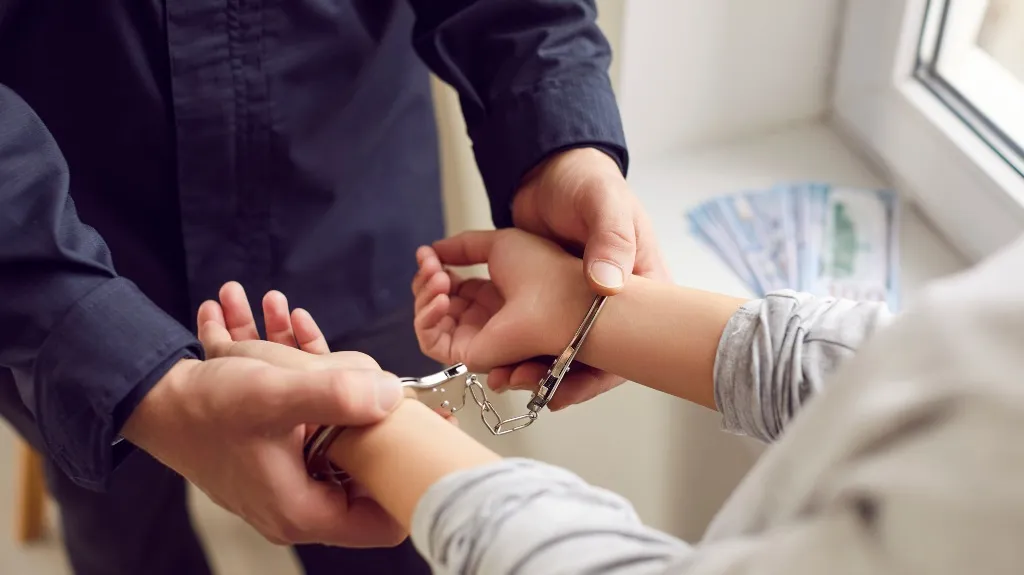

No — domestic violence is not automatically a felony in California. Most domestic violence arrests result in either a misdemeanor charge or a “wobbler” — an offense the Riverside County District Attorney can file as either a misdemeanor or a felony depending on the alleged injury, your record, and the facts of the incident. Domestic violence allegations are serious, and prosecutors treat them that way. But an arrest is not a conviction, and a felony filing is not the end of the analysis — felony charges can be reduced, and every element of the case can be contested.
Our office defends domestic violence cases for clients throughout Murrieta, Temecula, Menifee, Lake Elsinore, Wildomar, Winchester, French Valley, and Canyon Lake, with nearly all of those cases heard at the Southwest Justice Center in French Valley. If you were just arrested, call (951) 400-4357 — the misdemeanor-versus-felony decision is often made in the first days of the case, before you ever see a courtroom.
Is Domestic Violence Automatically a Felony?
Domestic violence charges in California fall into three groups: straight misdemeanors, wobblers that can be filed either way, and a small set of conduct that is charged as a felony because it involves a separate felony offense. The most commonly filed domestic violence charge in Riverside County — domestic battery under Penal Code § 243(e)(1) — is a misdemeanor, period. It cannot be filed as a felony. The second most common — corporal injury to a spouse or partner under Penal Code § 273.5 — is a wobbler.
So the honest answer to the question in the title is: it depends on which statute is charged and how, and both of those are contestable.
What Counts as Domestic Violence Under California Law
Domestic violence is not a single crime. It is a label California law attaches to certain offenses when the alleged victim is a current or former spouse, a cohabitant, a fiancé(e), someone the accused is dating or used to date, or the parent of the accused’s child.
The charges that most often carry that label:
- Domestic battery — PC § 243(e)(1). Any willful, harmful or offensive touching of an intimate partner. No injury is required — none at all. This is a straight misdemeanor.
- Corporal injury — PC § 273.5. Willfully inflicting a “traumatic condition” on an intimate partner. The term sounds severe, but it reaches any visible or internal injury, however minor — a bruise, a red mark, a scratch. This is the wobbler at the center of most felony domestic violence filings.
- Criminal threats, stalking, and protective-order violations. Threats and stalking are themselves wobblers; violating a protective order is a misdemeanor unless it involves injury or repeats within seven years. When a threat is alleged, the stakes jump, because a felony criminal threats conviction is a strike — our criminal threats defense coverage explains what the prosecution actually has to prove.
One arrest frequently produces several of these charges at once. If your complaint lists three or four counts arising from a single incident, that is standard Riverside County charging practice, not a sign the case is hopeless — we break down how and why that happens in our guide to stacked domestic violence charges.
When Is Domestic Violence Charged as a Felony?
A wobbler gives the District Attorney the initial choice of filing level. In the domestic violence cases our office reviews at the Southwest Justice Center, felony filings tend to follow a recognizable pattern. A felony is more likely when:
- The alleged injury is significant or documented. Photographs of visible injuries, medical records, or an ER visit push a § 273.5 filing toward a felony. Allegations of strangulation are treated with particular severity — even without visible injury.
- There are prior domestic violence convictions. A § 273.5 conviction within the previous seven years raises the felony sentencing range itself, from 2–3–4 years to 2–4–5 years under § 273.5(f).
- A weapon was involved. Using an object as a weapon converts the case into assault with a deadly weapon territory — a wobbler with strike consequences, handled through our violent crimes defense practice.
- Great bodily injury is alleged. A GBI enhancement in a domestic violence case adds 3, 4, or 5 years to a felony sentence and makes the conviction a strike.
- Children were present, or the incident includes other felony conduct — false imprisonment, threats, or child endangerment counts filed alongside the core charge.
If none of those aggravators is present — a first arrest, no visible injury, no weapon — the realistic charge is a misdemeanor, and in many cases the fight is over whether any charge should be filed at all.
Felony vs. Misdemeanor: What the Penalties Actually Look Like
The classification matters because the exposure is dramatically different:
- Misdemeanor § 243(e)(1): up to 1 year in county jail and a fine up to $2,000.
- Misdemeanor § 273.5: up to 1 year in county jail and a fine up to $6,000.
- Felony § 273.5: 2, 3, or 4 years in state prison (2, 4, or 5 with a qualifying prior within seven years) and a fine up to $6,000.
But the jail-versus-prison line understates what a domestic violence conviction carries at either level. Any domestic violence conviction — including a misdemeanor — triggers Penal Code § 1203.097: a mandatory minimum 36 months of probation, a 52-week batterer’s intervention program, a protective order, and mandatory fees. This is one of the few areas where California’s one-year cap on misdemeanor probation does not apply, because § 1203.097 sets its own minimum term.
Firearms consequences are severe at both levels. A misdemeanor § 273.5 conviction now carries a lifetime California firearm prohibition, and federal law imposes its own lifetime ban for misdemeanor crimes of domestic violence. If you own firearms, this needs to be part of the defense strategy from day one — our firearm offenses practice covers the prohibition framework in detail.
For non-citizens, a domestic violence conviction is a deportable offense under federal immigration law. If you are not a U.S. citizen, tell your attorney immediately — plea decisions that look reasonable on the criminal side can be catastrophic on the immigration side.
Can a Felony Domestic Violence Charge Be Reduced to a Misdemeanor?
Yes — and this is the part most articles on this topic get wrong or leave out. The District Attorney makes the initial filing decision on a wobbler, but that decision is not final and it is not exclusive.
A felony § 273.5 charge can come back down to a misdemeanor at several points:
- Through negotiation before or after filing. Early defense engagement — presenting the DA with the weaknesses in the injury evidence, the witness accounts, or the accuser’s account before the filing decision hardens — is often the highest-value work in the entire case.
- At the preliminary hearing. The judge can reduce a wobbler to a misdemeanor under Penal Code § 17(b) when the evidence presented doesn’t support felony treatment.
- At sentencing, or after successful probation. The court retains § 17(b) authority even later in the case.
The practical point: a felony filing on day one tells you how the DA sees the case today. It does not tell you how the case ends. Our office regularly resolves felony-filed domestic violence cases as misdemeanors — and the earlier the work starts, the more of those paths remain open.
How Domestic Violence Cases Move Through the Southwest Justice Center
Domestic violence cases from all eight of the cities we serve are heard at the Southwest Justice Center on Auld Road. A few local realities shape how these cases actually play out:
The Riverside County District Attorney’s office handles domestic violence through prosecutors who work these cases specifically, and the office follows what is effectively a no-drop approach — the decision to prosecute belongs to the DA, not the alleged victim. At arraignment, expect the court to issue a criminal protective order, often a full stay-away order, regardless of what the other person wants. If you live together, that order — not the eventual sentence — is frequently the most disruptive immediate consequence, and modifying it to a peaceful-contact order is something your attorney can raise early. What happens in the first 24–48 hours matters enormously; our guide to responding to domestic violence accusations in Riverside County walks through those first steps.
Frequently Asked Questions
Can the alleged victim drop the charges? No. In California, criminal charges belong to the state, not the alleged victim. The other person can tell the DA they don’t want to press charges, and the DA can — and in Riverside County usually does — proceed anyway. A reluctant witness changes the evidentiary picture, but it does not end the case, and you should never contact the alleged victim to discuss their testimony; that can generate a new felony charge for witness intimidation.
Is a first-offense domestic violence charge a felony? Usually not. A first arrest with no significant injury is most often filed as misdemeanor § 243(e)(1) or misdemeanor § 273.5. A first offense can be filed as a felony when the injury is serious, a weapon was used, or strangulation is alleged.
Will a domestic violence conviction stay on my record? A conviction stays on your record unless and until relief is granted. Expungement under PC § 1203.4 is available for most probation cases, and California’s automatic record relief framework continues to expand — see our overview of SB 731 and California’s automatic record sealing law. Note that record relief does not undo the firearm prohibition.
What to Do If You’re Facing Domestic Violence Charges in Southwest Riverside County
The misdemeanor-versus-felony question that brought you to this page is decided by people — a filing deputy weighing a police report, a judge at a preliminary hearing — and every one of those decision points can be influenced by early, prepared defense work. Do not discuss the incident with police beyond identifying yourself, do not contact the alleged victim, and do not assume a felony filing is permanent.
Our office has defended clients in domestic violence cases at the Southwest Justice Center since 1999. Call (951) 400-4357 for a free, confidential consultation.