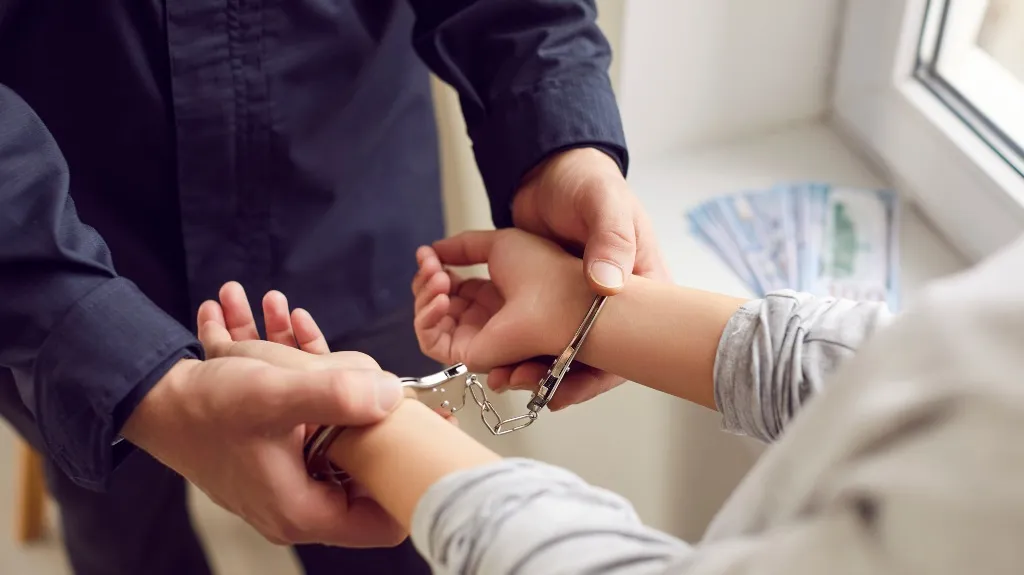
California’s criminal justice system follows a structured process in all cases. After an arrest, a Defendant proceeds through arraignment, preliminary hearing, and potentially trial, sentencing, or appeal. One of the most important stages in this process is the preliminary hearing, which helps determine whether the criminal case will move forward. However, many Defendants are uncertain about what occurs after the preliminary hearing.
Continue reading to learn more about what happens after a preliminary hearing in California and be sure to be represented by an experienced criminal defense attorney throughout your criminal case.
When Does the Preliminary Hearing Occur?
In the California criminal process, the preliminary hearing will occur after the arraignment and before a felony case proceeds to trial. At the arraignment, the court formally informs the Defendant of the criminal allegations and constitutional rights, and the Defendant enters a plea, typically guilty, not guilty, or no contest. After arraignment, the court sets the preliminary hearing date, which is generally required to occur within 10 court days for in-custody or 60 days for defendants released on bail, unless the right to a speedy hearing is waived.
What is a California Preliminary Hearing?
A preliminary hearing is a court proceeding held in felony criminal cases where a judge determines whether enough evidence exists for the case to proceed to trial. The judge must determine whether the Prosecution has established “probable cause” to believe the Defendant committed the alleged offense. If the judge determines probable cause exists, the case will proceed to the next phase of the criminal process and move toward trial. If the evidence is insufficient, the judge may dismiss some or all charges.
Possible Outcomes of a Preliminary Hearing
Several outcomes may result from a California preliminary hearing:
- The judge finds probable cause and allows the felony charges to proceed.
- Certain charges or sentencing enhancements may be reduced or dismissed.
- The judge may conclude the evidence is insufficient and dismiss the case entirely.
- The parties may negotiate a plea agreement before or after the hearing.
Even if charges proceed, the hearing often provides the Defense with valuable insight into the strengths and weaknesses of the Prosecution’s case.
Continued Investigation and Discovery
After the preliminary hearing, both sides continue preparing their cases. The Prosecution must provide discovery to the Defense, including police reports, body camera footage, surveillance video, witness testimony, and expert reports. Additional evidence is often discovered after the preliminary hearing that evidence may strengthen or weaken the case. Defense attorneys also conduct independent investigations during this phase. This may involve interviewing witnesses, consulting experts, reviewing law enforcement procedures, or gathering additional evidence favorable to the Defendant.
Pretrial Motions and Plea Negotiations
After the preliminary hearing, attorneys frequently file legal motions that may affect the outcome of the case. Defense counsel may seek to suppress illegally obtained evidence, challenge searches, or seizures, exclude statements made to police, or request dismissal of certain pieces of evidence.
Plea negotiations are also common after the preliminary hearing. As both sides now have a clearer understanding of the evidence, negotiations regarding reduced charges, probation, or sentencing agreements often occur during this stage before trial.
Trial and Sentencing

If no plea agreement is reached, the case proceeds toward trial. Unlike the preliminary hearing, where the standard is probable cause, the Prosecution must prove guilt beyond a reasonable doubt at trial before a judge or jury. This is a much higher burden.
If the Defendant is convicted, the court later imposes a sentence that may include probation, county jail, state prison, fines, restitution, counseling, or treatment programs. If the jury finds the defendant not guilty then they will be cleared of all charges.
Contact The Law Office of Nic Cocis for Experienced Criminal Defense
The period after a preliminary hearing can significantly impact the outcome of a case so it is critical to have skilled legal representation is essential. The Law Office of Nic Cocis has over 25 years of experience appearing before judges and negotiating with Riverside County prosecutors, providing knowledgeable and strategic defense at every stage of the criminal process. If you or a loved one is facing criminal charges, early legal intervention can make a crucial difference in the outcome of your case. Contact us today and be prepared for all stages of a California criminal case.